Serious games voor educatie
Effectiviteit, voorbeelden en financieringsmogelijkheden Games en onderwijs: hoe brengen we ze succesvol samen? En zorgen spelprincipes er nou echt voor dat lesstof beter beklijft? Op deze pagina leggen we uit…


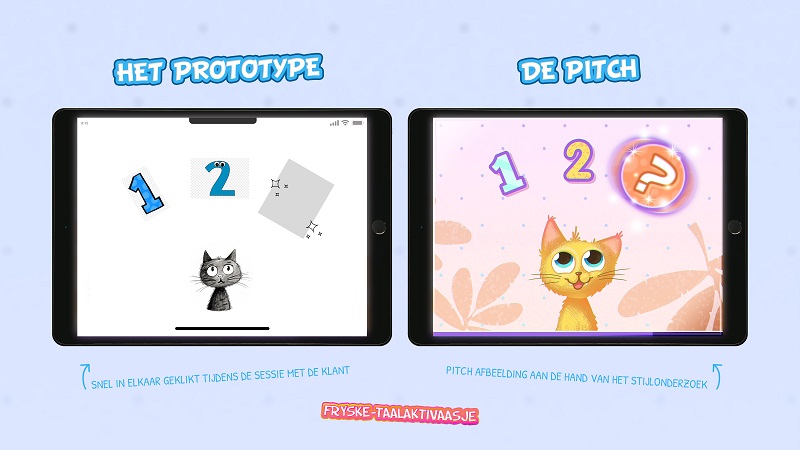
Together with Province of Frysl?n and SFBO we are researching – through gaming and prototyping – ways to stimulate the use of Frisian among young children. Children sometimes encounter obstacles when speaking Frisian, which creates a language barrier. They do not yet have a large vocabulary, or are used to speaking Frisian only with family and adults. It is sometimes difficult to cross that threshold, but in a creative and interactive form Frisian becomes fun and low-threshold.

Being bilingual or multilingual at school or at home sometimes seems quite difficult for children and teachers. Frisian-speaking children often do not speak Frisian at school and Dutch-speaking children are not much challenged to learn Frisian. The older you get, the higher that threshold seems to become. That is why it is important to tackle this at an early age.
In the research and prototypes we develop, we engage children in a joyful and interactive story. By responding to their experiential world, children not only have fun playing, but also increase their vocabulary. The focus is on fun and it does not matter if something does not succeed immediately. After all, with a game you can just start again!
 Aanpak
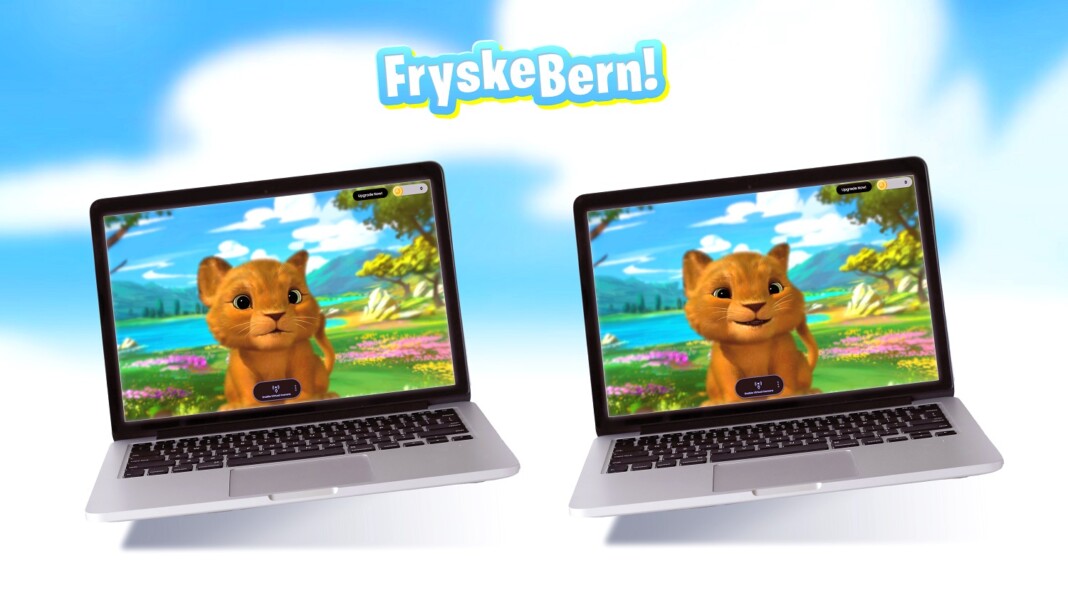
For the game ‘Fryske Bern’, we tested a first prototype with children (aged 4-5) from the Koningin Julianaschool in Kollum, commissioned by SFBO. In the prototype, the children are introduced to the character Tsjonge, a Frisian-speaking young lion on a desert island. Tsjonge only understands Frisian, so to communicate with him it is important to speak Frisian!
?
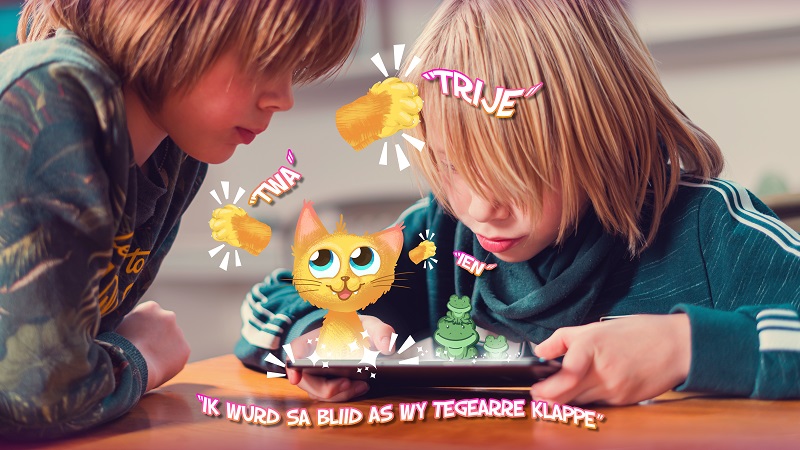
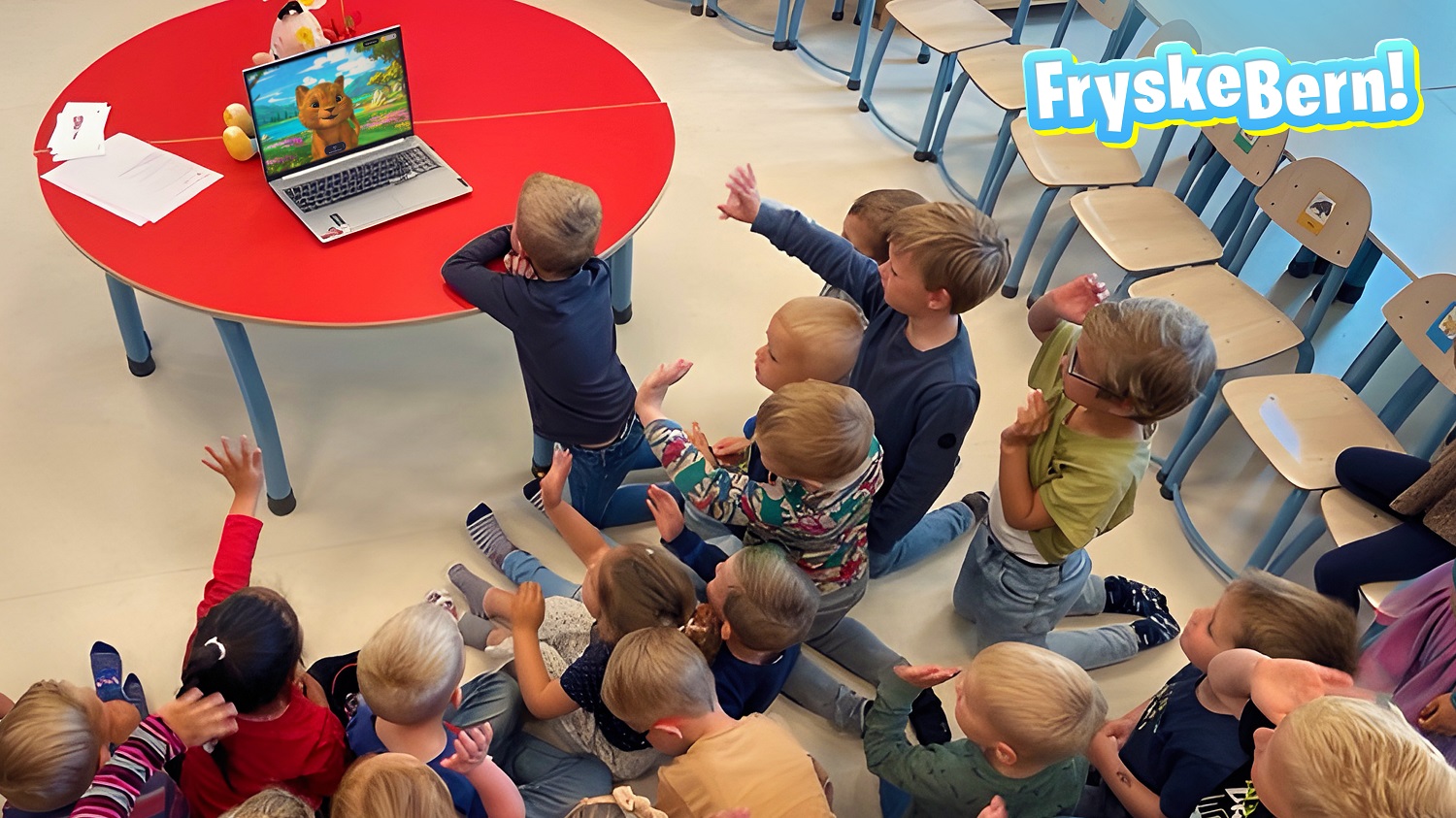
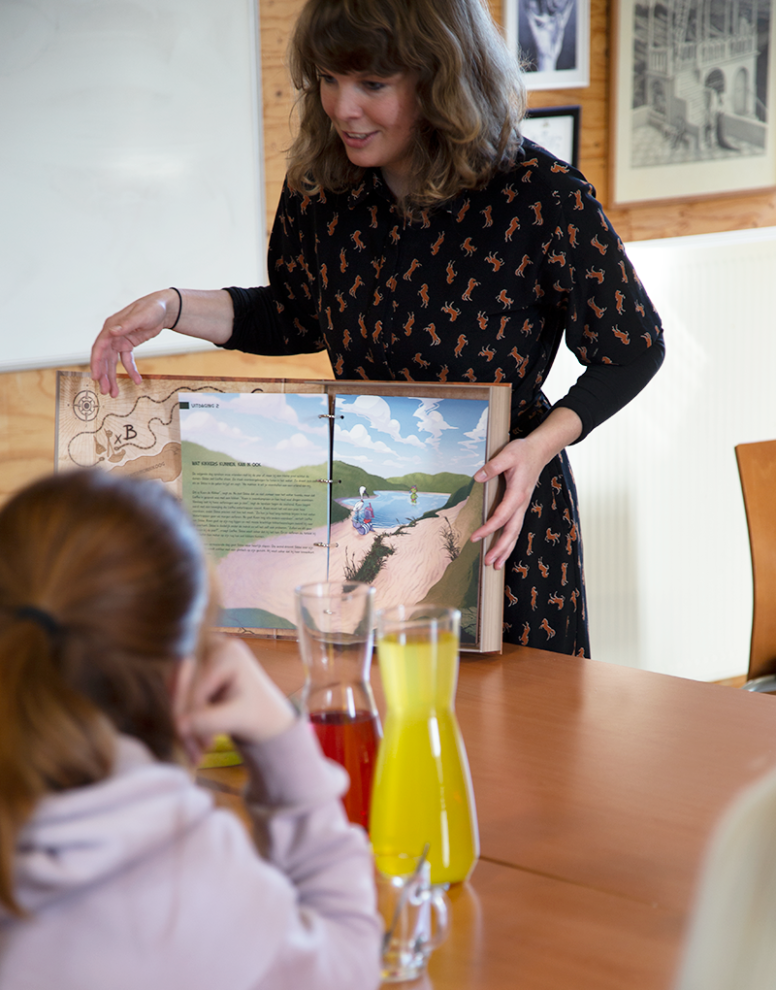
The children help Tsjonge bake pancakes by finding the right Frisian words to go with the different pictures and ingredients. Tsjonge is interpreted by a Frisian volunteer, who interacts live with the children via a digital connection. This way, the children can talk and ask questions directly to Tsjonge at their own pace. Don’t know the right Frisian word for a moment? Classmates and the teacher (game supervisor) are only too happy to help in this search. So both Frisian- and Dutch-speaking children can participate!
 Resultaten
Lees meer over serious games in het onderwijs
In de testfase van een starttraject zijn verschillende aspecten voor ons belangrijk: hoe reageren kinderen op de verhaallijn? Durven ze Fries te spreken en hebben ze plezier in de activiteit? Conclusie: de kinderen waren erg geïnteresseerd in Tsjonge en vonden de live interactie ontzettend leuk. Ze zwaaiden naar het scherm en stelden veel vragen: “Hoe oud ben jij?” Doordat de kinderen Tsjonge als een leeftijdsgenootje zagen, vonden ze het verhaal toch best spannend: hoe kan je nou helemaal alleen op reis gaan?
Due to their enthusiasm about the story and the task, all children dared to pronounce Frisian words. Even the children who do not speak Frisian at home. Young children pick up bilingualism very easily, but need an environment that stimulates bilingualism. Precisely by playfully finding and practising the right words together, the threshold to speak Frisian becomes a lot lower!
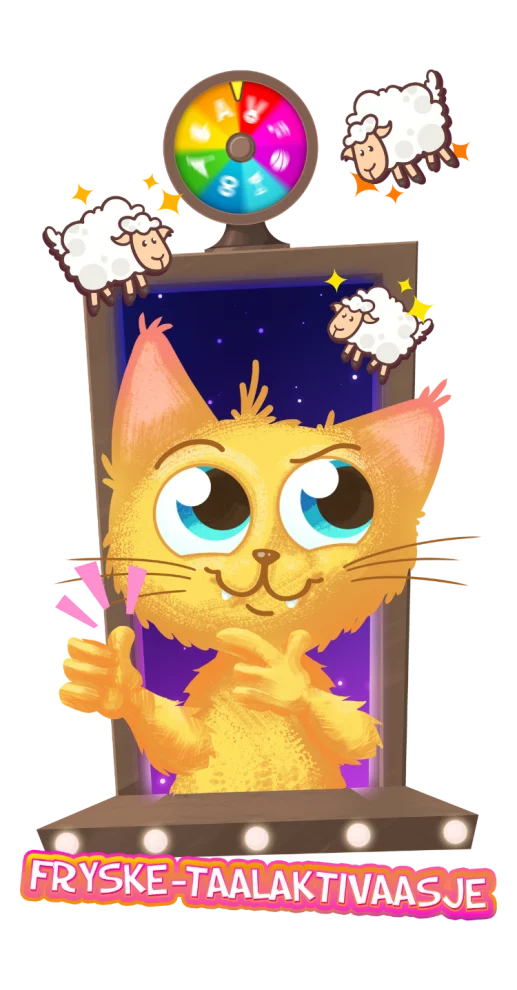
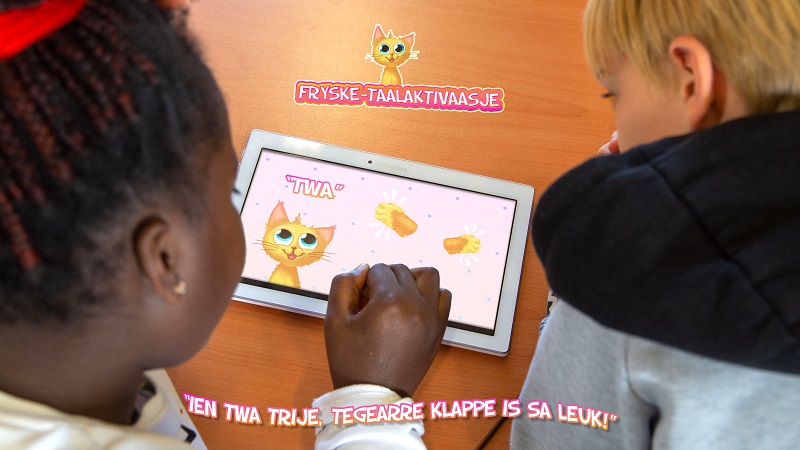
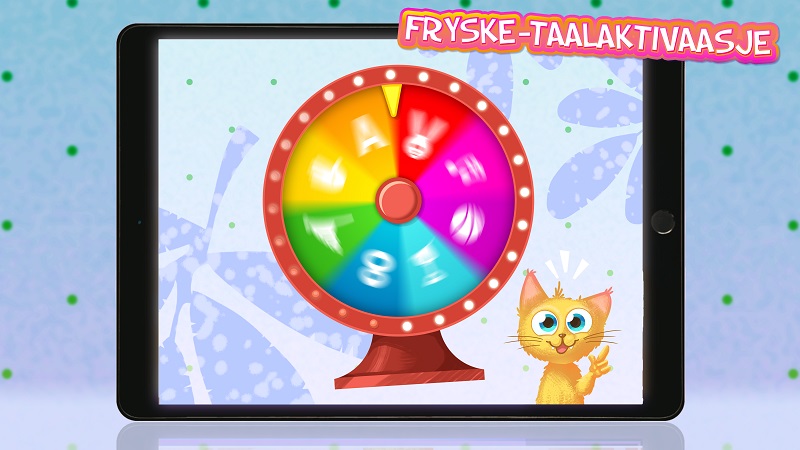
In the coming period, we will continue to work with the Province of Friesland and SFBO on a new intervention for very young children (2-4 years old): Fryske Taalaktivaasje. On to even more language promotion!
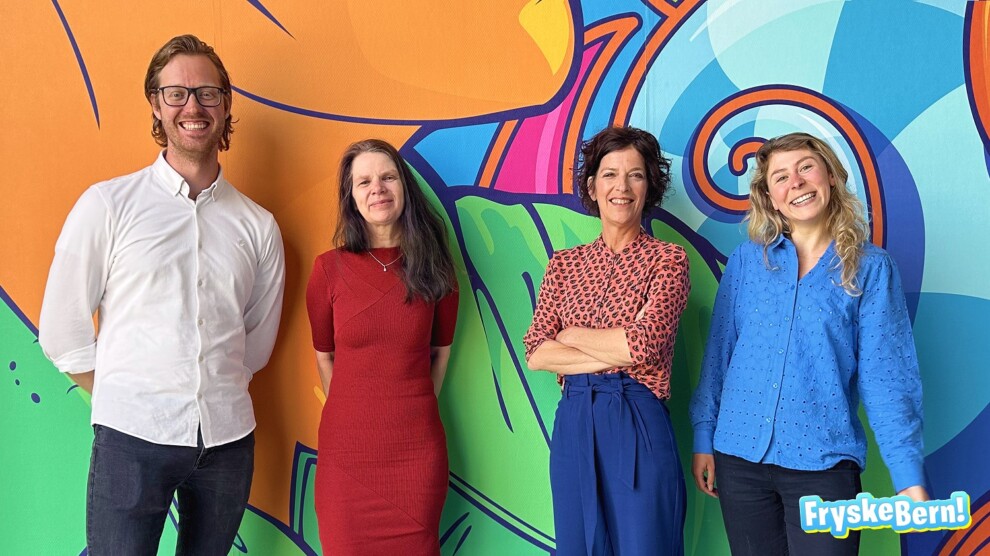

Johan will be happy to tell you more!
Effectiviteit, voorbeelden en financieringsmogelijkheden Games en onderwijs: hoe brengen we ze succesvol samen? En zorgen spelprincipes er nou echt voor dat lesstof beter beklijft? Op deze pagina leggen we uit…
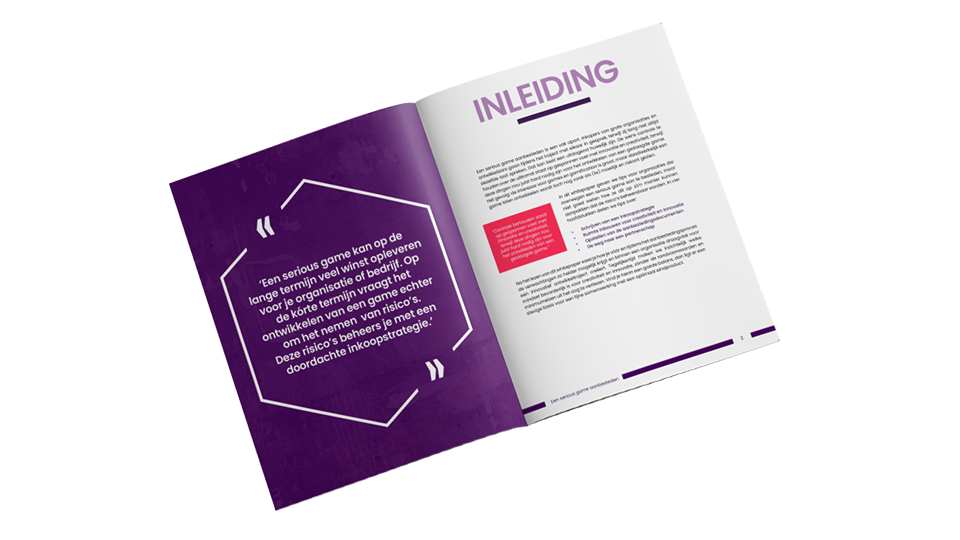
Procuring a serious game is an art in itself. Buyers of large organizations and developers interact during the process, even though they do not always speak the same language. Use our whitepaper as a guide so that the procedure runs smoothly and the risks are managed as well as possible.
Gamification is het toevoegen van spelelementen aan een activiteit of omgeving die op zichzelf geen game is. Ook met kleine ingrepen kun je gedrag op een positieve manier beïnvloeden. Denk aan het visueel maken van vooruitgang en het belonen van samenwerking.