Augmented reality
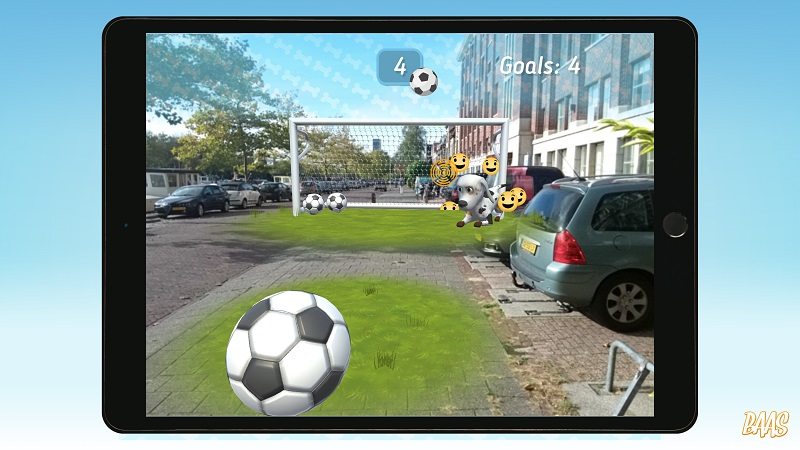
Met een smartphone of tablet leg je in een AR-game als het ware een ‘laagje’ over de werkelijkheid heen. Fantasierijke elementen, gewoon in je eigen wijk of huis. Een heel bekend voorbeeld is het spel Pokémon Go.


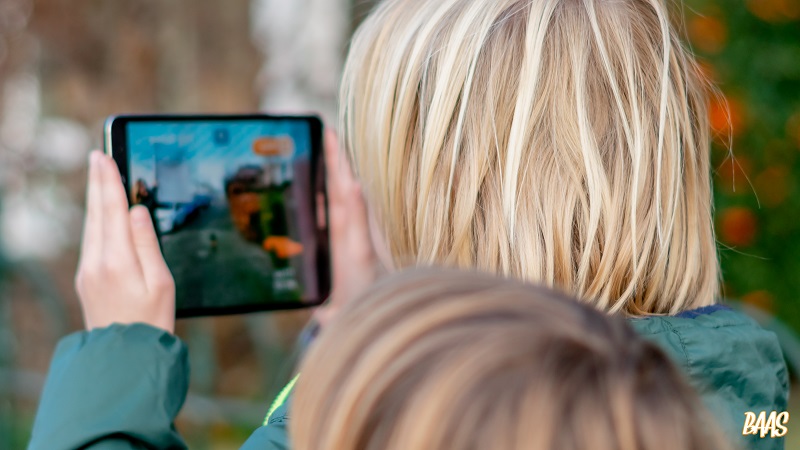
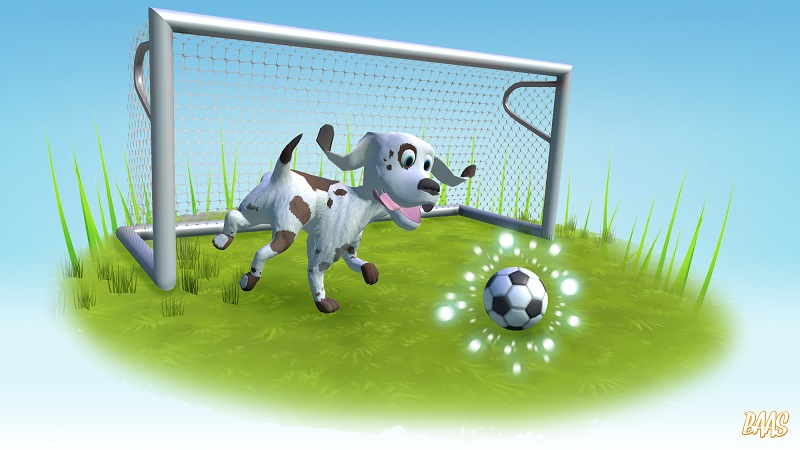
In this cheerful augmented reality game, children aged 8 to 12 set off together with the dog Bonnie in a familiar environment: their own neighbourhood. Along the way, all kinds of sporting tasks and questions pass by. In this way, the game gets neighbours – young and old – talking to each other in a low-threshold manner. A conversation about fun and silly things, but also about a more difficult topic: poverty.


In the Netherlands, 1 in 13 children is raised in a family with financial issues. For many organisations it is difficult to reach these families. The reason is simple: people don’t like to talk about money problems, let alone ask for help. Can a serious game help start a conversation even if the topic is hard or awkward?
With this question, welfare organisation KEaRN knocked on our door. The idea soon arose to develop a serious game with augmented reality that could be played in the children’s own neighbourhood. The main goal: to bring children into contact with their neighbours and let them solve tasks and questions about poverty together in a playful manner, thus increasing openness in the neighbourhood.
 Approach
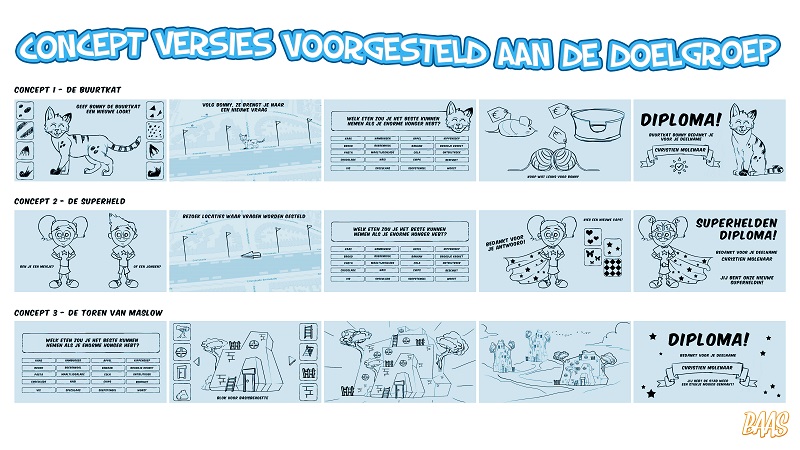
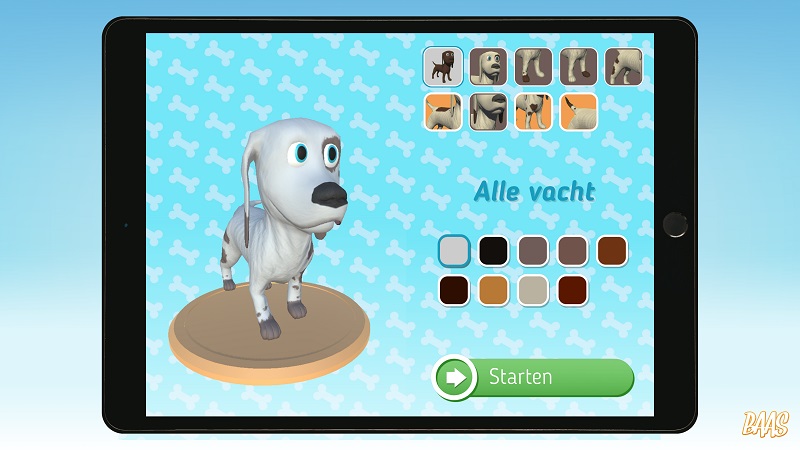
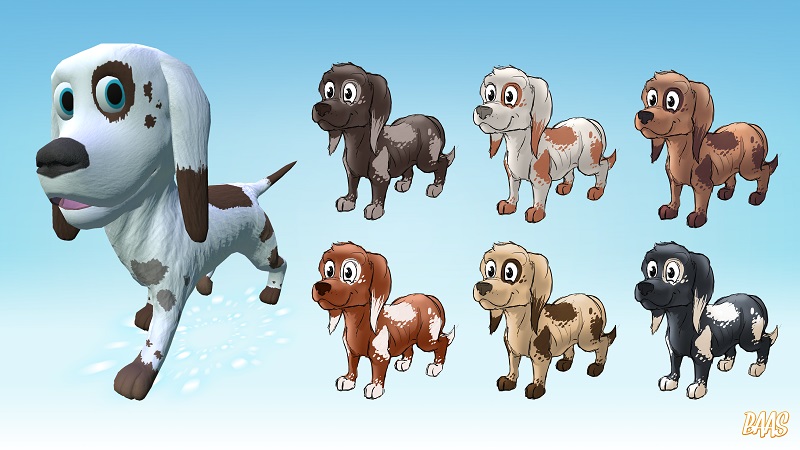
We wanted to make the serious game about poverty as appealing as possible to the target group. Therefore, we did a lot of research into what children want and expect from such a game. A group of children contributed ideas on what the game should look like. For instance, they thought Bonnie should be a stray dog instead of a cat, as we had first thought. In addition, the children constantly tested the game and we took their feedback seriously. It was important for the children to be able to create their own four-legged friend. And so it happened: in the serious game about poverty, the player is given the option to choose colours, spots and patterns for the dog’s fur.
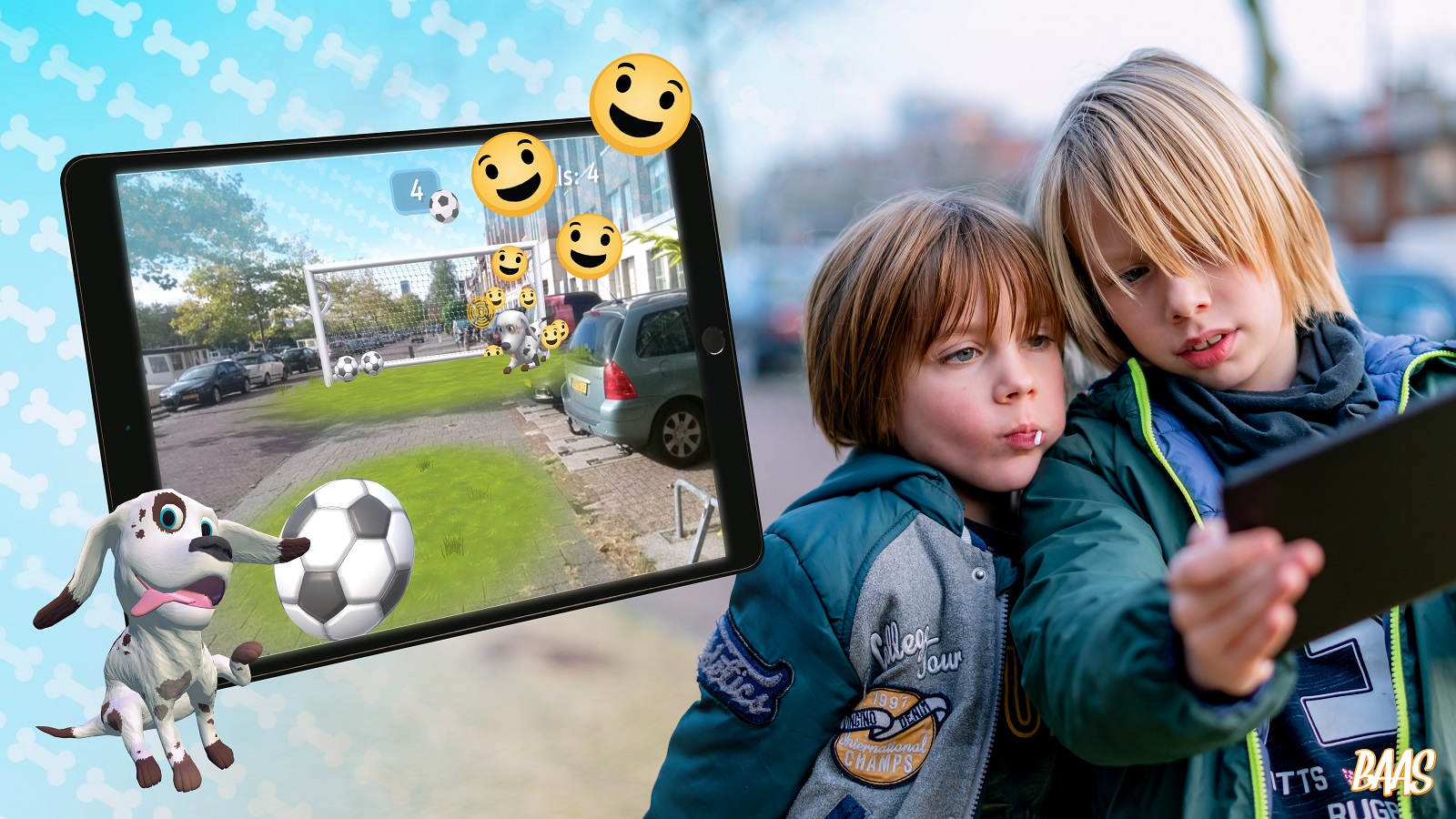
“Het spel heeft ons gemotiveerd om geld in te zamelen voor de Voedselbank, het is leuk dat je iets voor mensen kunt doen met geldproblemen.’
Speler van BAAS in gemeente Tytsjerksteradiel

 Results
Read more about serious games in education
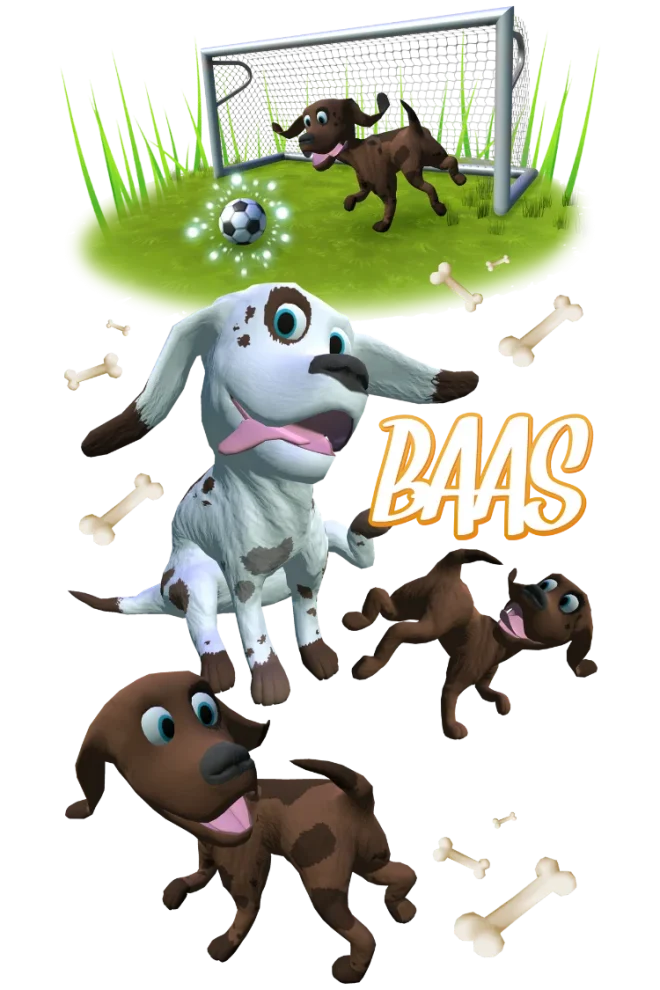
In BAAS, a little dog walks down the street through augmented reality. The little dog leads you alternately to questions about poverty and to fun games. Soon, the kids playing the game are busy following the different quests. Shooting penalties while Bonnie is goalkeeping, answering questions about money…. And then quickly move on, because Bonnie is already taking you to the next part: tug-of-war! The route is mapped out beforehand by the community workers in the backend. This way we make sure that everything fits exactly in the selected street. All answers from the serious game on poverty are stored (privacy-secure) in a database. Based on the data provided, more research can be done on the perception of poverty in the neighbourhoods concerned. This way, the game has even more impact.
Johan will be happy to tell you more!
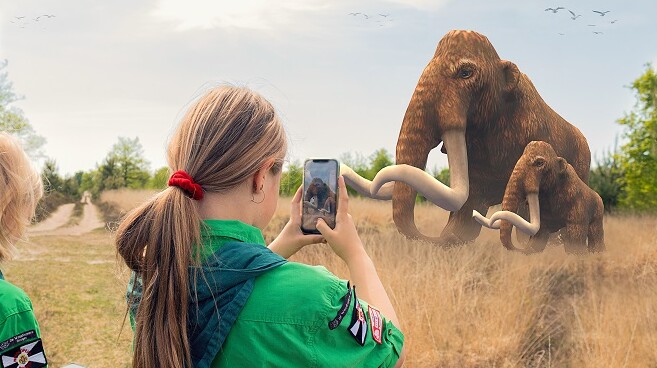
Met een smartphone of tablet leg je in een AR-game als het ware een ‘laagje’ over de werkelijkheid heen. Fantasierijke elementen, gewoon in je eigen wijk of huis. Een heel bekend voorbeeld is het spel Pokémon Go.
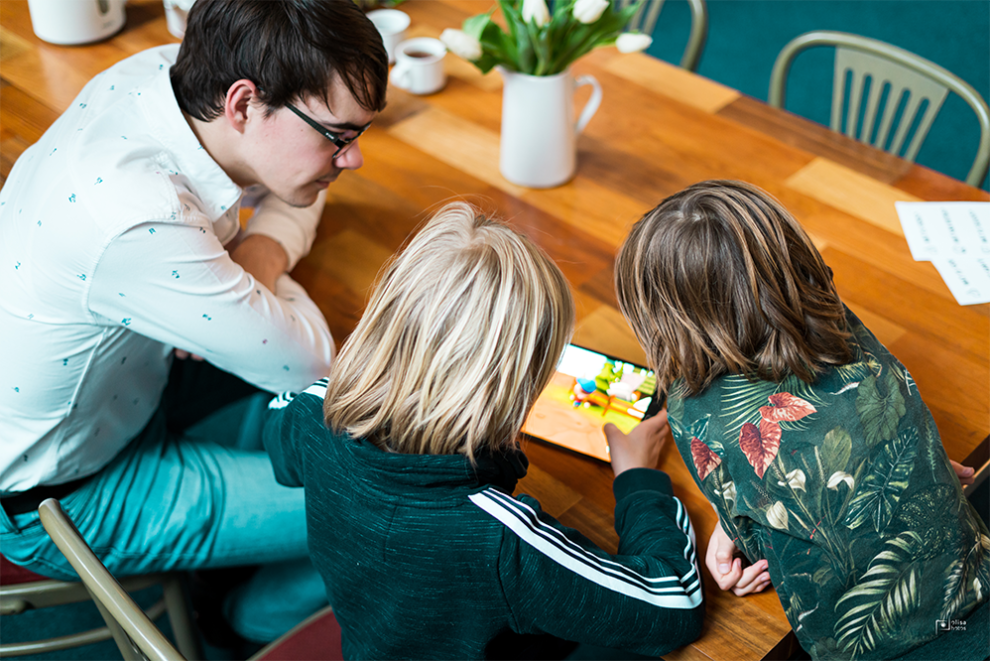
Effectiviteit, voorbeelden en financieringsmogelijkheden Games en onderwijs: hoe brengen we ze succesvol samen? En zorgen spelprincipes er nou echt voor dat lesstof beter beklijft? Op deze pagina leggen we uit…
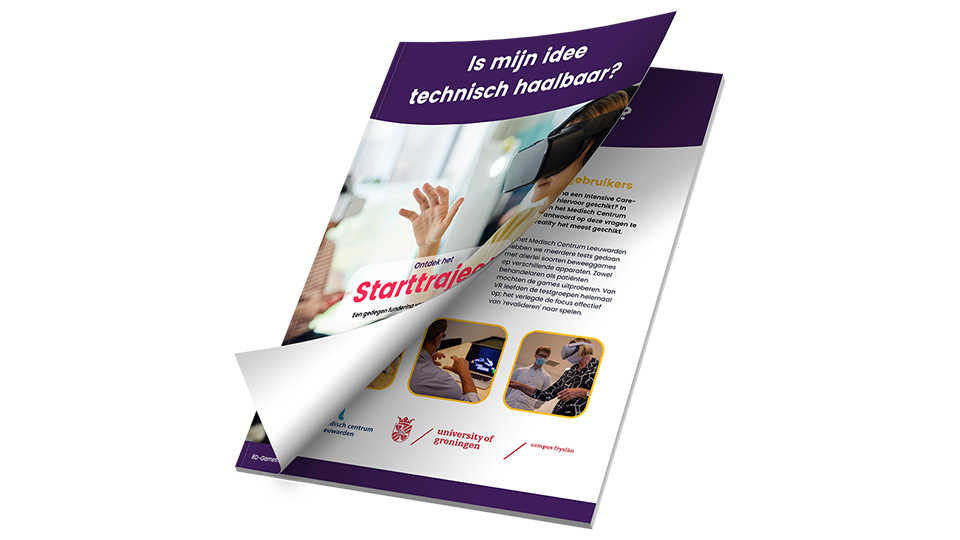
Stel, je hebt een fantastisch idee voor een serious game. Maar dan? Waar begin je? Hoe vind je je weg door alle technische begrippen? En hoe weet je nou zeker dat er draagkracht is voor deze oplossing? Als opdrachtgever is het spannend om direct een langdurig ontwikkeltraject aan te gaan. Daarom bieden wij een losstaand Starttraject aan.