Augmented reality
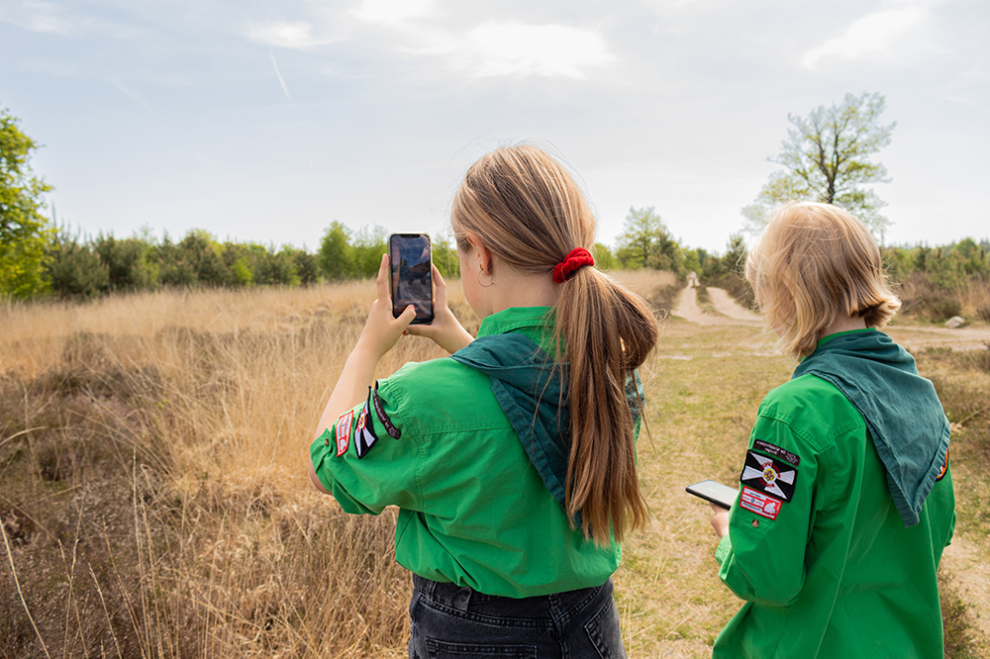
Met een smartphone of tablet leg je in een AR-game als het ware een ‘laagje’ over de werkelijkheid heen. Fantasierijke elementen, gewoon in je eigen wijk of huis. Een heel bekend voorbeeld is het spel Pokémon Go.


As a child, I was unapologetic about sports and exercise. I may have been in water polo, but – to be honest – I went there more for my friends than for the sport itself. With today’s knowledge, that is a very interesting realization. It confirms to me that (intrinsic) motivation depends on many different factors and sometimes does not have much to do with the activity itself. Some people are more likely to be motivated by the “social factor” and others get excited when there is visual evidence that they are progressing. Like with a scoreboard.
Gaming is still – wrongly – often seen as a solitary affair. But the very possibility of making friends while playing often ensures that people remain effortlessly motivated to continue playing (example: On the move with VR). They belong to a community, even if sometimes only online. This is a powerful mechanism that can be used in many ways, including in the field of sports and exercise. Especially for the target group that does not get motivated by a sport or workout on its own, mechanics from games – such as the ability to work in a team – can work incredibly well. Others may prefer to move alone, but then want to be included in an exciting story or ranking system. In this blog, I use a few examples to show why gaming and exercise work so well together.
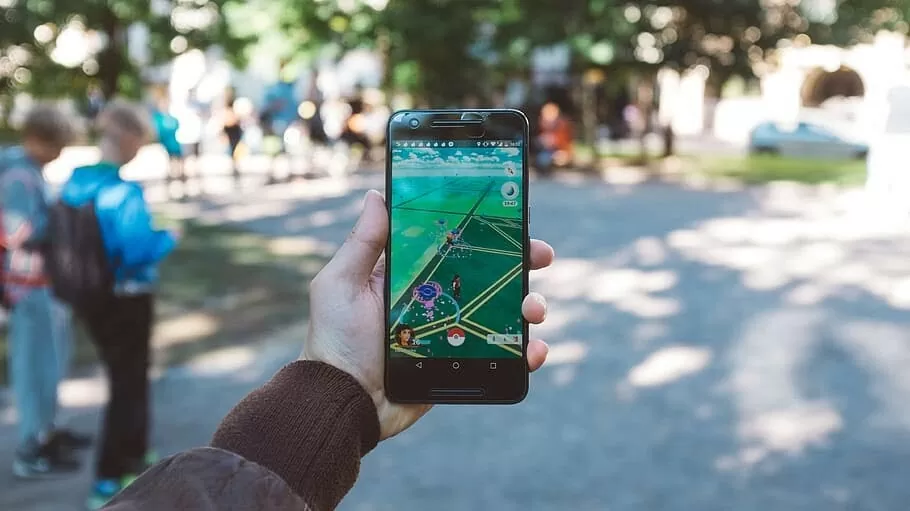
Probably the most appealing example of our time: Pokémon Go. Pokémon Go was released by Nintendo in 2016 and emerged as a wildly popular game. Users walk around outside with their phones to catch Pokémon. Through augmented reality, the Pokemon appear to be walking around in the real world. The game gets people out and moving en masse, often in groups. A social factor that makes the game even more fun. We have therefore applied this principle ourselves to games such as: The Lost Collection & Mission Master
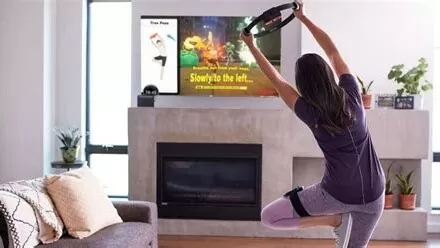
Ring Fit Adventures is a product from Nintendo that allows players – at home, with their console – to perform yoga, aerobics, strength training and balance games. Users work their way through challenging levels and storytelling is used to keep motivation up. In short: an extra “layer” over the exercises that makes exercise suddenly super fun and makes you as a player not give up easily. Also powerful about this game is the direct transfer. There is no intermediate step between the desired behavior (sports) and the game. Sporting is the game.
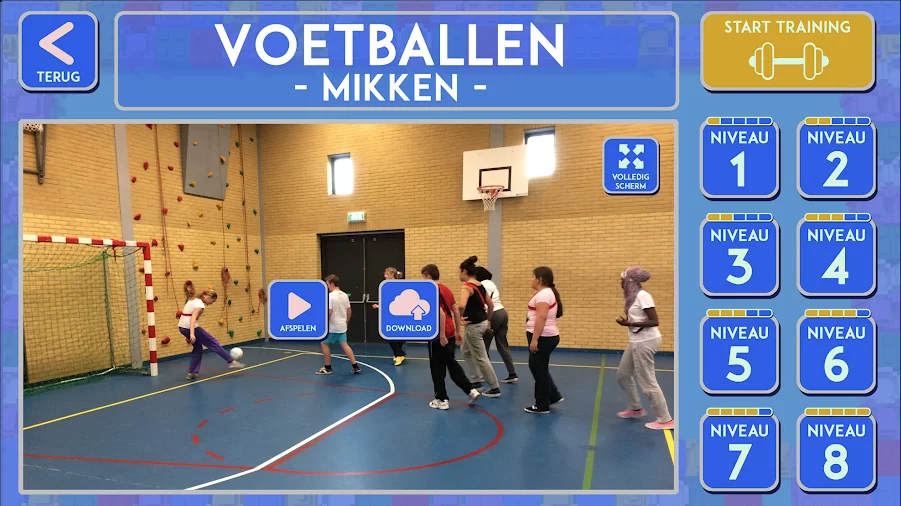
Sportbouwer is an intervention aimed at supporting PE lessons in regular elementary school. Through Sportbouwer, children can independently perform and achieve movement tasks. The tool challenges children with explanatory animations and fun rewards to achieve movement levels and improve themselves in a focused way. A subject teacher can divide a gym into different subjects. The children who are independent enough can work out on their own using the app. This leaves more individual attention for the children who need it.
But why does this combination of exercise and gamification work so well? For that, we need to dive into the theory of motivation.
Below are two key theories that I draw inspiration from in my work.
Children who are allowed to set their own level (i.c.m. a sports professional) are intrinsically motivated to strive for something. This form of self-regulation is about setting their own goals. These goals are discussed with proper coaching so that it is not too difficult or too easy. This has been shown to make children more motivated to complete the task at hand. A good coach ensures that these goals are challenging, but achievable with enough effort. This is called the zone of proximal development. Huge nourishment for intrinsic motivation when – with the right effort – it succeeds!
A theory that is making its appearance in more and more interventions, school systems, games, sports: the theory of self determination. This theory encompasses the fundamental drivers of motivation and is essentially a roadmap for nurturing intrinsic motivation. Briefly, the theory describes that we intrinsic motivation drives three elements:
Serious games for healthcare are making their rise. But if you have never used such a game yourself, the whole idea remains somewhat abstract. What added value do games have for healthcare and what concrete examples are there?

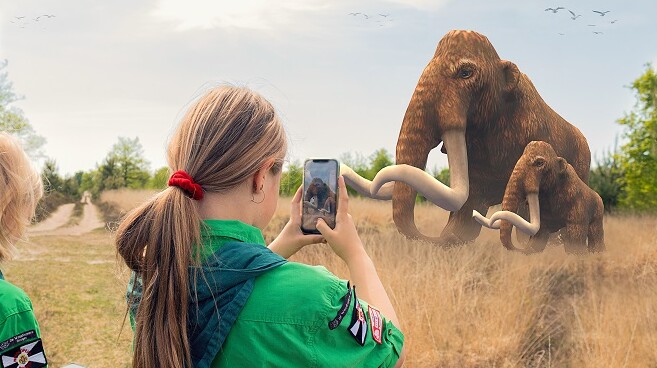
Met een smartphone of tablet leg je in een AR-game als het ware een ‘laagje’ over de werkelijkheid heen. Fantasierijke elementen, gewoon in je eigen wijk of huis. Een heel bekend voorbeeld is het spel Pokémon Go.
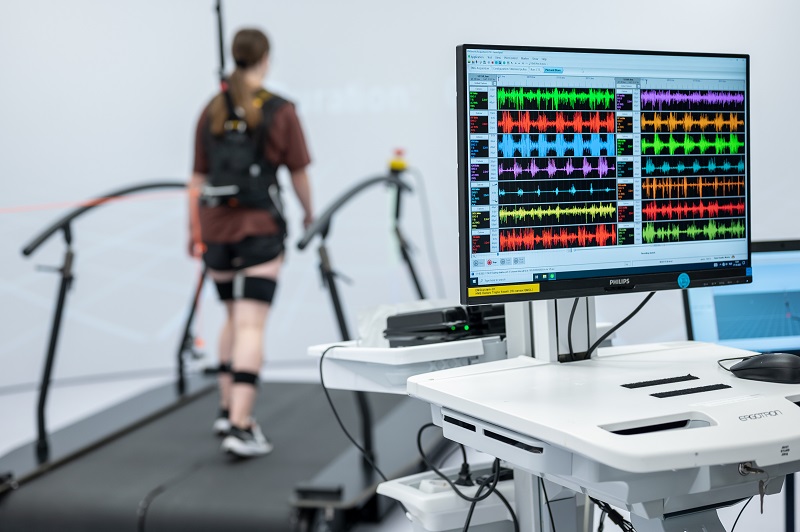
Serious games for healthcare are making their rise. But if you have never used such a game yourself, the whole idea remains somewhat abstract. What added value do games have for healthcare and what concrete examples are there? Get inspired by cases from our portfolio.
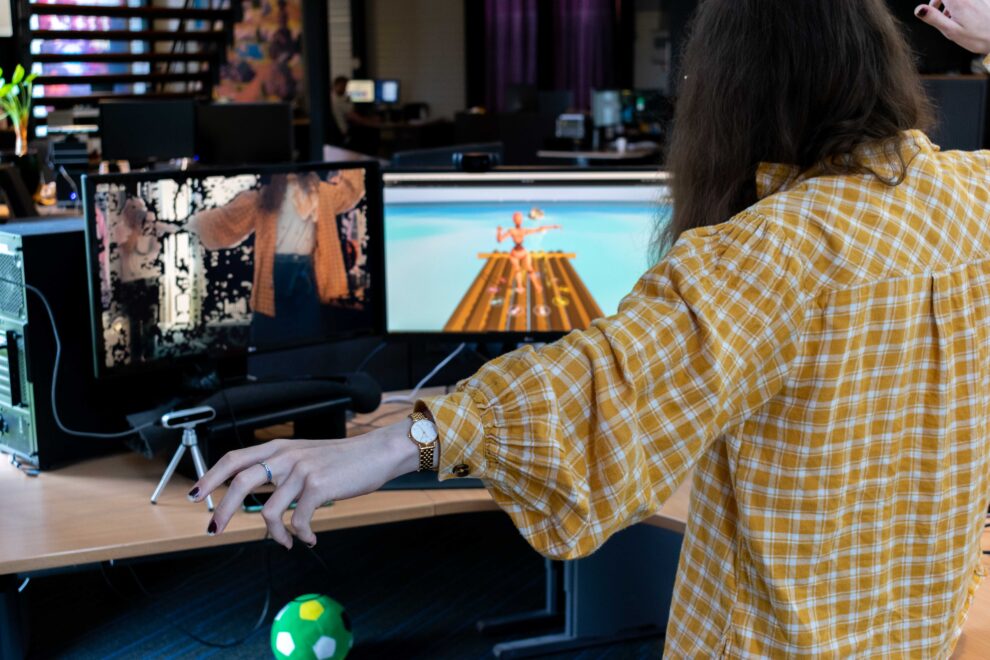
High tech, high impact We vinden het fantastisch om te innoveren met games met sensoren en hightech apparatuur. Die passie is al in 2013 ontstaan. Toen ontwikkelden we samen met…